Vitamin D Fruits and Vegetables: 25 Best Sources (August 2026 Guide)
Updated on: October 06, 2026 | Medically reviewed by: Dr. Nitin Malik
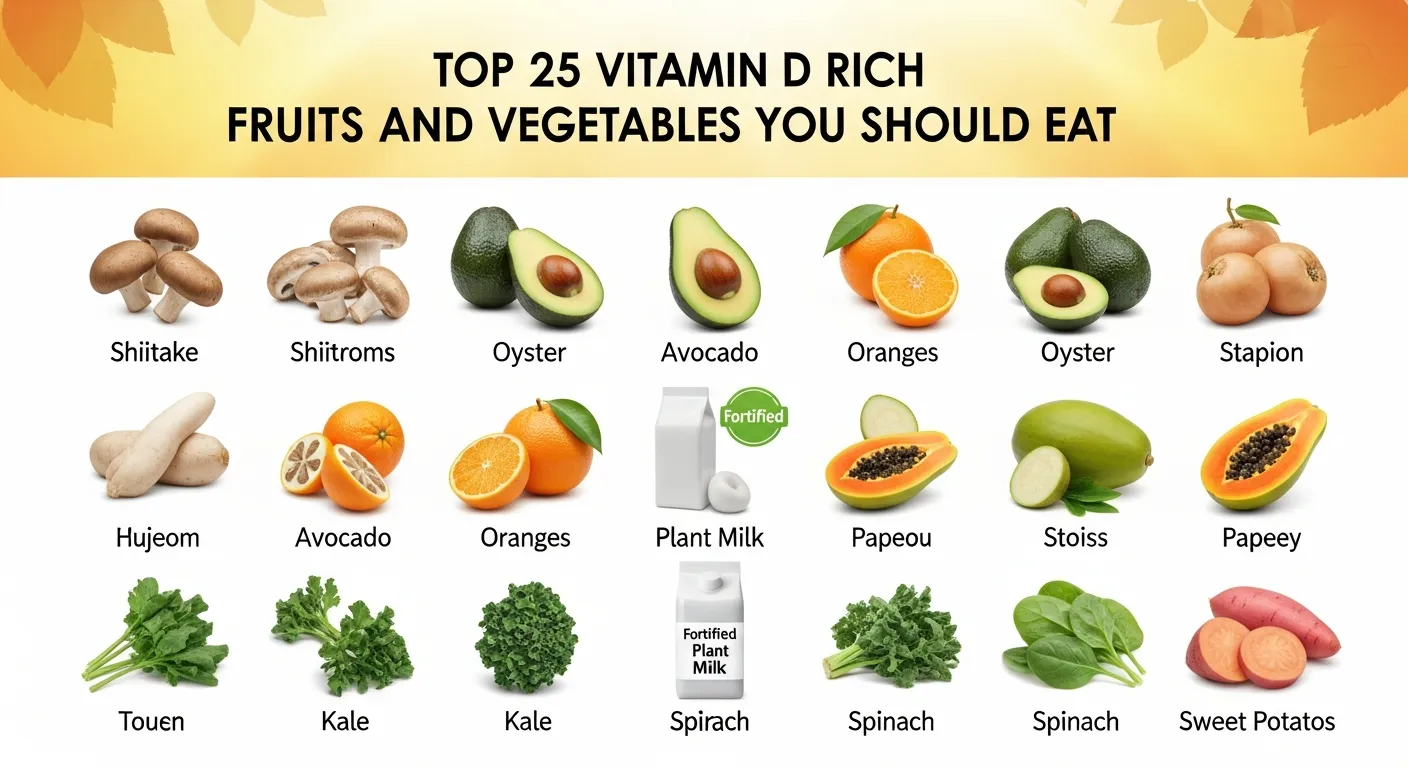
Most of us know that soaking up some morning sunshine is the best way to get Vitamin D. But let’s be honest, with busy work schedules and indoor lifestyles, getting that daily dose of sun isn't always possible. That is where your diet steps in. While fatty fish is a known source, many Indians look for vitamin D fruits and vegetables. This is the most comprehensive guide specifically for those seeking plant-based and fortified options.
When we talk about a balanced diet, we often focus on carbs and proteins, but vitamins are just as vital. Vitamin D acts like a manager in your body—it oversees your bone health, keeps your immunity sharp, and even helps regulate your mood. If you are looking for vitamin D rich foods vegetarian options, you have come to the right place.
Vitamin D deficiency is a major concern in India, especially in cities like Meerut and Delhi-NCR, where indoor lifestyles and pollution limit sun exposure. Studies show that nearly 70-90% of the Indian population is deficient. For vegetarians, finding the right vitamin D rich foods is essential to prevent chronic bone pain, fatigue, and immunity issues.
If you are looking for vitamin d rich foods for a vegetarian diet, it is important to understand that few plants naturally have Vitamin D. However, by choosing the right vitamin d vegetables like UV-exposed mushrooms and fortified options, you can effectively improve your levels.
Read more- Vitamin D Deficiency: 10 Critical Signs, Symptoms & Treatment (2026)
What are the best Vitamin D rich fruits and vegetables?
While natural sources are limited, UV-exposed mushrooms are the best natural vegetable source of Vitamin D2. Among fruits, fortified orange juice is the most effective way to get Vitamin D3. Other supportive foods include avocados and bananas which help in the absorption and activation of the vitamin.
What’s Inside This Guide:
Vitamin D Content in Fruits and Vegetables: A Quick Comparison Table
Let’s dive into the list of vitamin d rich fruits and veggies that can support your overall wellness.
| Food Source | Serving Size | Vitamin D (IU) | Role in Body |
|---|---|---|---|
| Mushrooms (UV-Exposed) | 1/2 Cup | ~136 - 400 IU | Best Natural Veg Source |
| Fortified Orange Juice | 1 Cup (240ml) | ~100 - 137 IU | High Bioavailability |
| Spinach | 1 Cup (Cooked) | Supports Calcium | Synergy for Bone Health |
| Avocado | 1 Medium | Supports Absorption | Fat-soluble Vitamin Helper |
| Bananas | 1 Large | Activates Vit D | Magnesium-led Activation |
*Values are approximate and can vary based on fortification and sun exposure.
Why Does Your Body Need Vitamin D?
Think of Vitamin D as a key that unlocks the door for calcium. Without it, your body can't absorb calcium effectively, no matter how much milk you drink. It is a fat-soluble vitamin that keeps your magnesium and phosphorus levels in check.
Here is what it does for you:
- Bone Health: It works directly with calcium to keep bones hard and strong.
- Immunity Boost: It helps your immune cells fight off bacteria and viruses.
- Heart Health: Studies suggest it helps manage blood pressure.
- Mood Lifter: There is a link between low Vitamin D and feeling low or depressed.
Signs You Might Have a Vitamin D Deficiency
How do you know if you are running low? Vitamin d deficiency symptoms can be subtle at first but can cause issues over time. Since our bodies make this vitamin when exposed to sunlight, people who stay indoors often or live in less sunny areas are at higher risk.
Watch out for these signs:
- Weak Bones: If you fracture bones easily, your density might be low.
- Muscle Weakness: Feeling generally weak or having unexplained muscle pain.
- Constant Fatigue: Feeling tired even after a good night's sleep.
- Getting Sick Often: A weak immune system can be a sign.
If you notice these, adding food rich in vitamin d to your meals is a smart move.
Read More: हर्पीस (Herpes) क्या है? लक्षण, इलाज और यह कितने दिन में ठीक होता है?
Top 10 Vitamin D Fruits
While fruits generally aren't the primary source of Vitamin D compared to sunlight, specific fruits with vitamin d or those that help absorb it are great additions to your fruit bowl. Here are the top picks:
1. Avocado
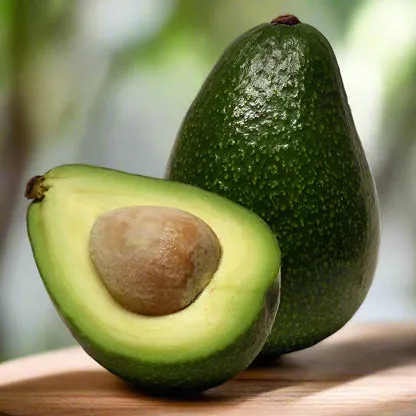
This creamy fruit is a superstar. It is loaded with healthy fats, which are essential because Vitamin D needs fat to be absorbed by the body. While the amount of Vitamin D itself is modest, avocados create the perfect environment for your body to utilize nutrients effectively.
2. Kiwi
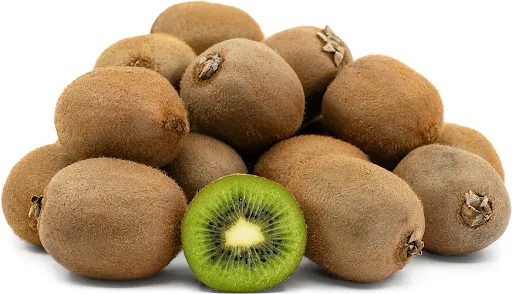
Kiwi is refreshing and packed with Vitamin C, but it also contributes to your vitamin d rich fruits intake. It’s great for digestion and adds a tangy flavor to your salads.
3. Oranges
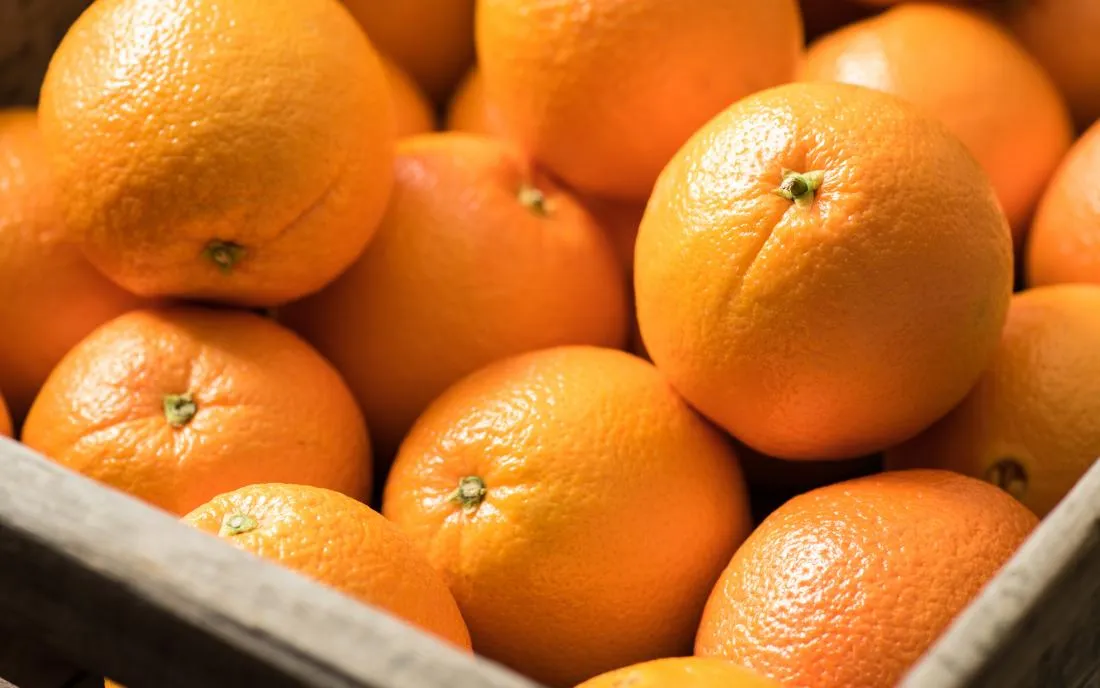
We all know oranges for Vitamin C, but fortified orange juice is often one of the best vitamin d3 foods for vegetarians. Even fresh oranges provide a small boost and are excellent for overall immunity. When it comes to vitamin d fruits and vegetables, fortified orange juice is the most common recommendation by nutritionists.
4. Bananas

Bananas are interesting. While they don't contain massive amounts of D vitamin directly, they are rich in Magnesium. Magnesium is crucial because it activates Vitamin D in the body. So, eating bananas helps your body use the Vitamin D you already have.
5. Figs (Anjeer)
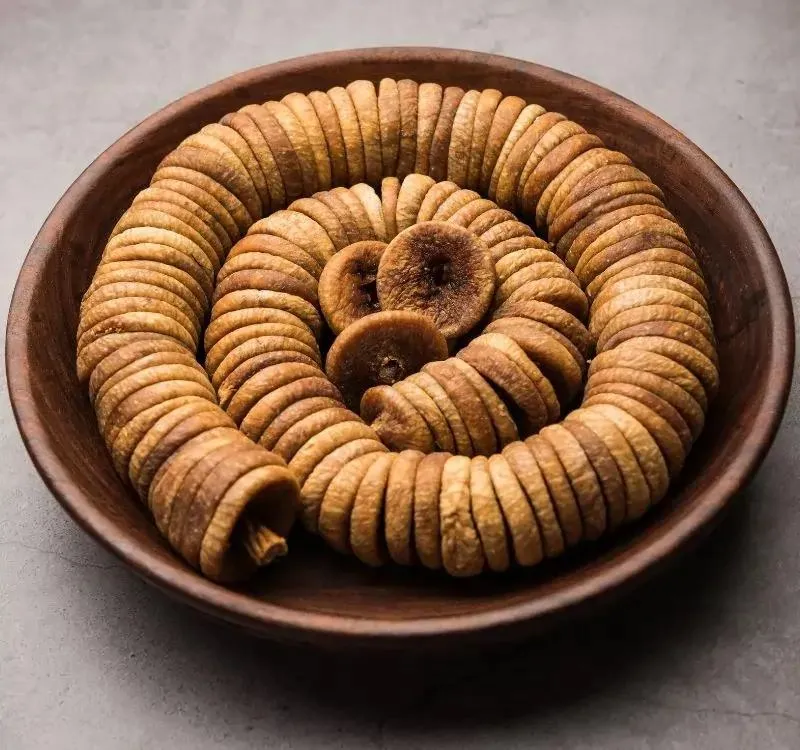
Often eaten as a dry fruit, figs are a powerhouse of nutrients. They provide calcium and phosphorus, which work alongside Vitamin D to strengthen your bones.
6. Guava
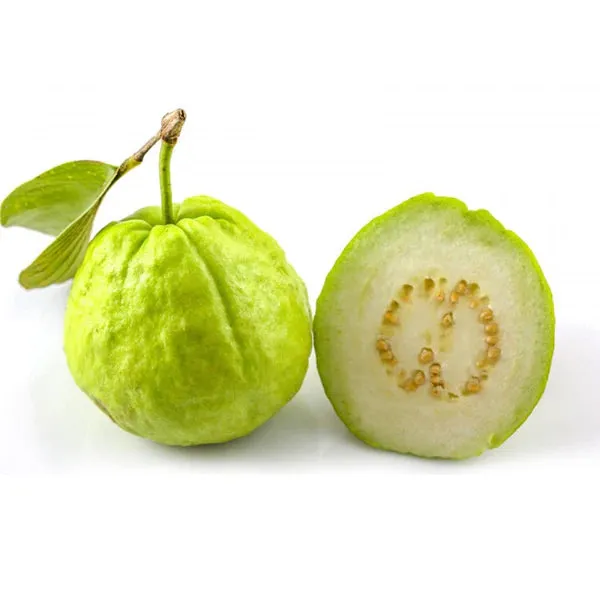
A tropical favorite, Guava is accessible and affordable. Adding this to your diet helps round out your nutrient profile, offering a small amount of Vitamin D along with a massive hit of fiber.
7. Papaya
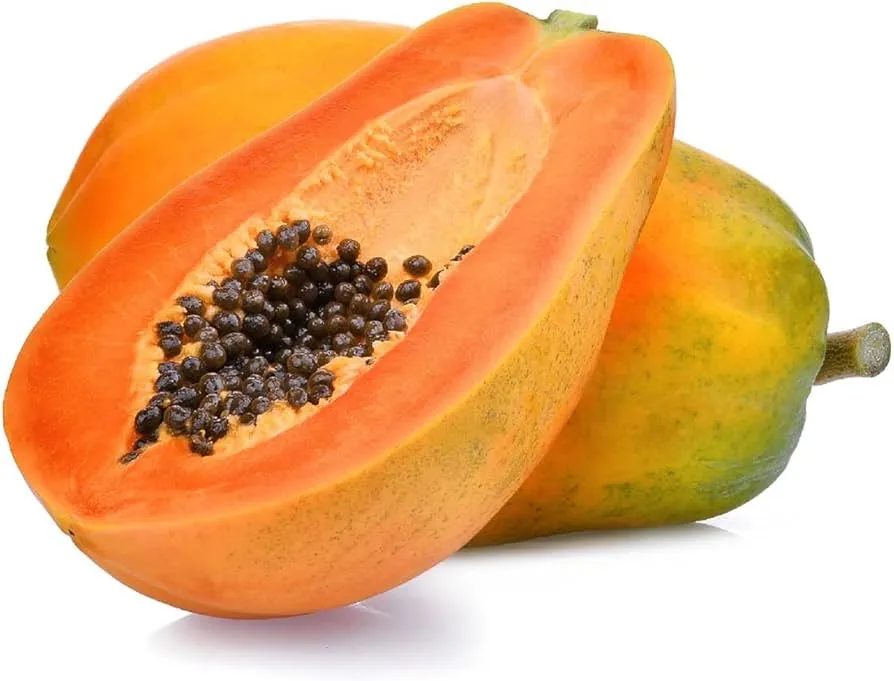
Papaya is great for your gut and skin. It contains small amounts of Vitamin D and other essential vitamins like A and C, making it a solid choice for breakfast.
8. Watermelon
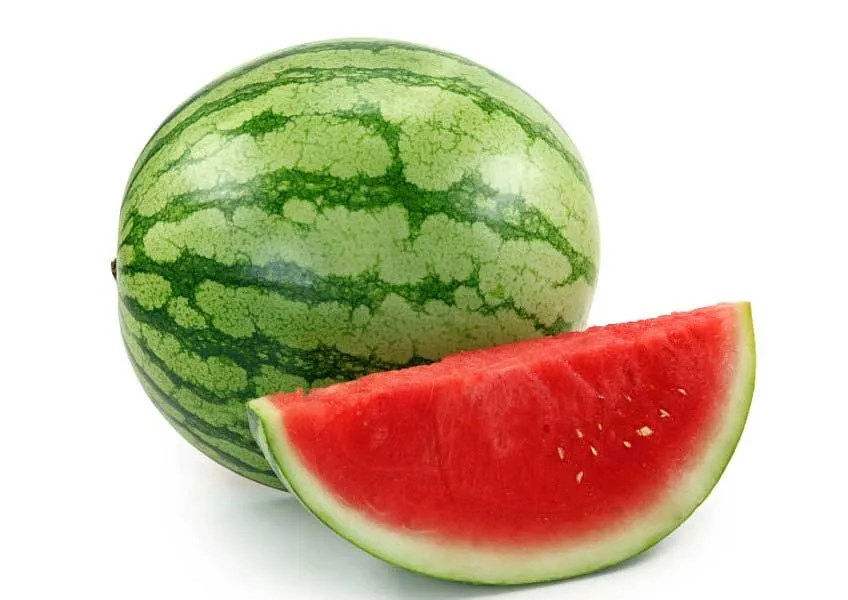
Nothing beats watermelon in the summer. It hydrates you and adds a little bit of Vitamin D to your daily intake. It is light, sweet, and easy to eat in large amounts.
9. Amla (Indian Gooseberry)
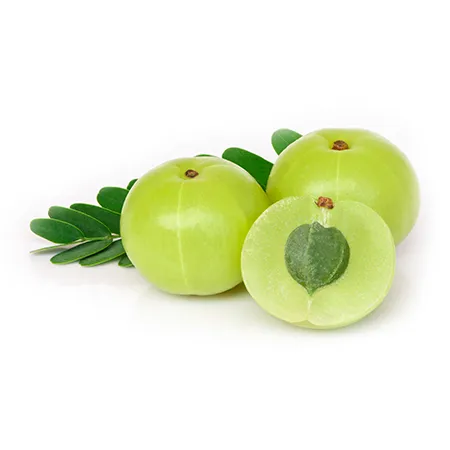
A staple in Ayurvedic medicine, Amla is usually praised for Vitamin C. However, it also supports calcium absorption and provides a reasonable nutrient boost beneficial for bone health.
10. Pineapple
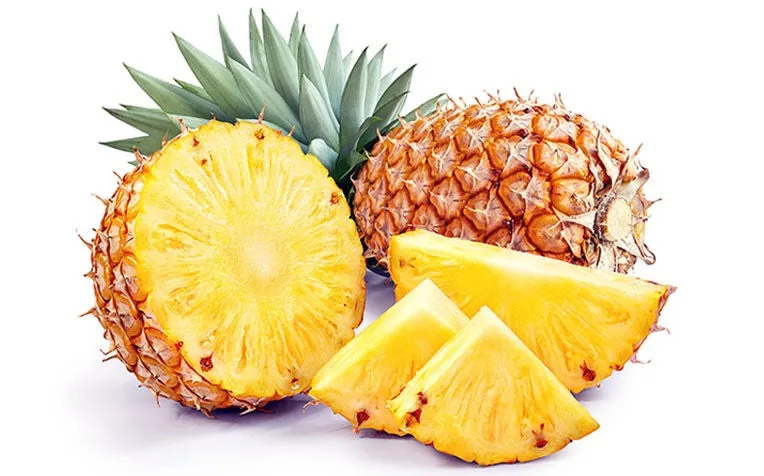
This tangy fruit is another option to include in your fruits rich in vitamin d list. It supports digestion and gives you a mix of essential vitamins.
Top Vitamin D Vegetables
When looking for vitamin d rich vegetables, the list gets quite interesting. Some of these are staples in Indian kitchens.
11. Mushrooms
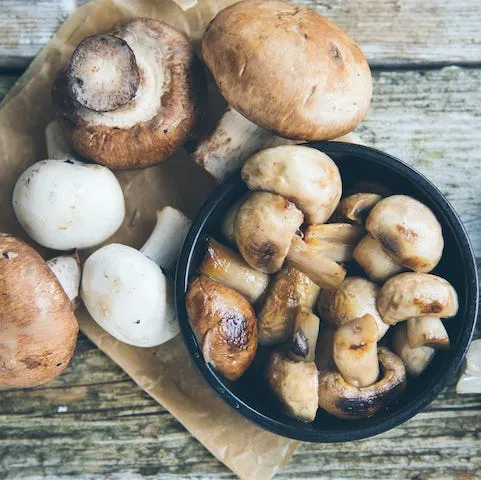
Mushrooms are the absolute winner here. They are unique because they can produce Vitamin D when exposed to sunlight, just like human skin. Mushrooms are widely considered the best vitamin d vegetables because they can naturally synthesize the nutrient from sunlight.
- Pro Tip: Buy fresh button mushrooms or varieties like Maitake and Shiitake, and leave them in the midday sun for 15-20 minutes. This naturally boosts their vitamin d2 foods content significantly.
12. Spinach
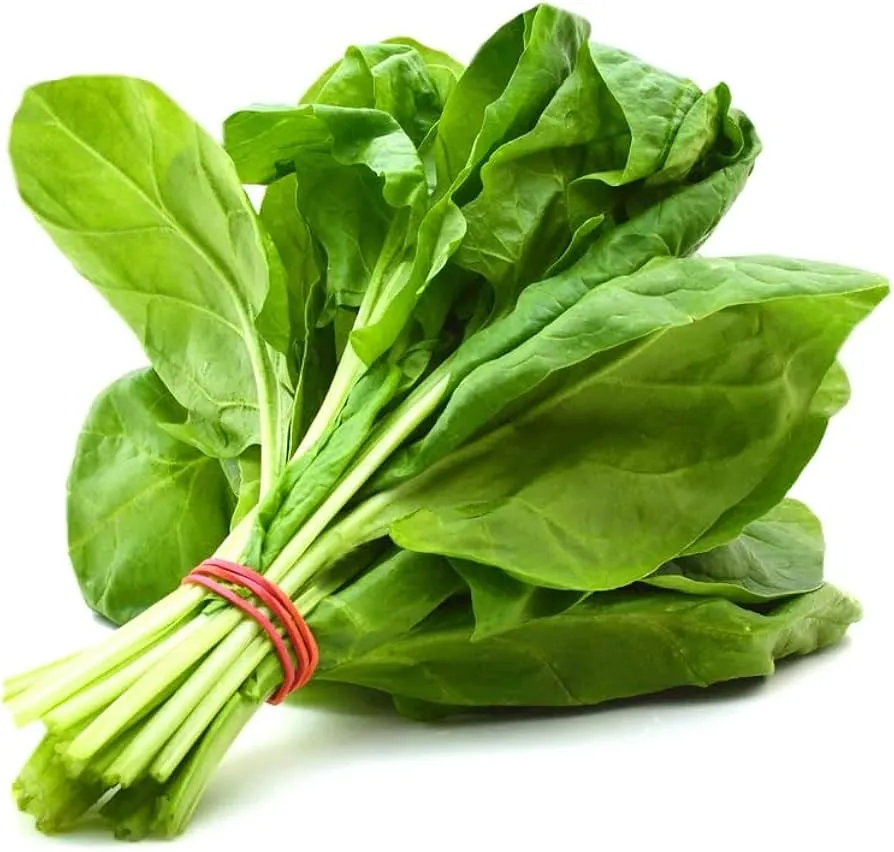
Popeye’s favorite food is rich in calcium and contains Vitamin D. It acts as a double agent for bone health. You can put it in smoothies, salads, or curries.
13. Bitter Gourd (Karela)
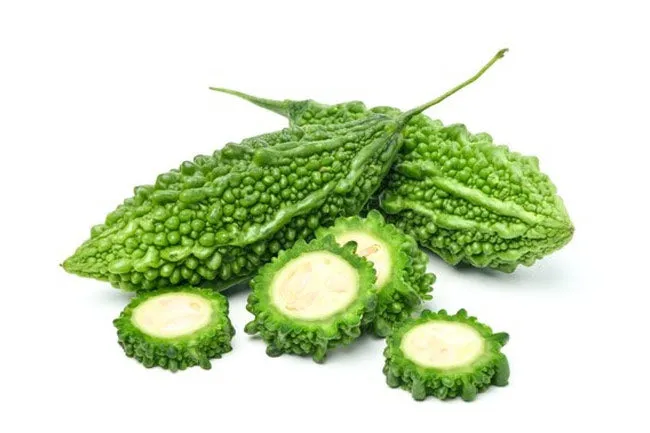
It might not be everyone’s favorite due to the taste, but Karela is incredibly healthy. It helps regulate blood sugar and contributes to your daily nutrient needs, including Vitamin D.
14. Bottle Gourd (Lauki)

Lauki is light on the stomach and low in calories. It’s a common vegetable in Indian households that provides essential minerals and vitamins without adding fat.
15. Sweet Potato
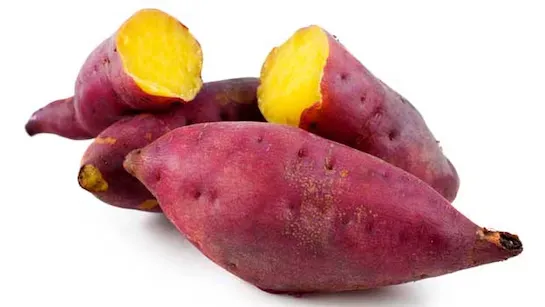
A healthier alternative to white potatoes, sweet potatoes are packed with magnesium and Vitamin D. They taste great roasted or boiled and provide long-lasting energy.
16. Pumpkin
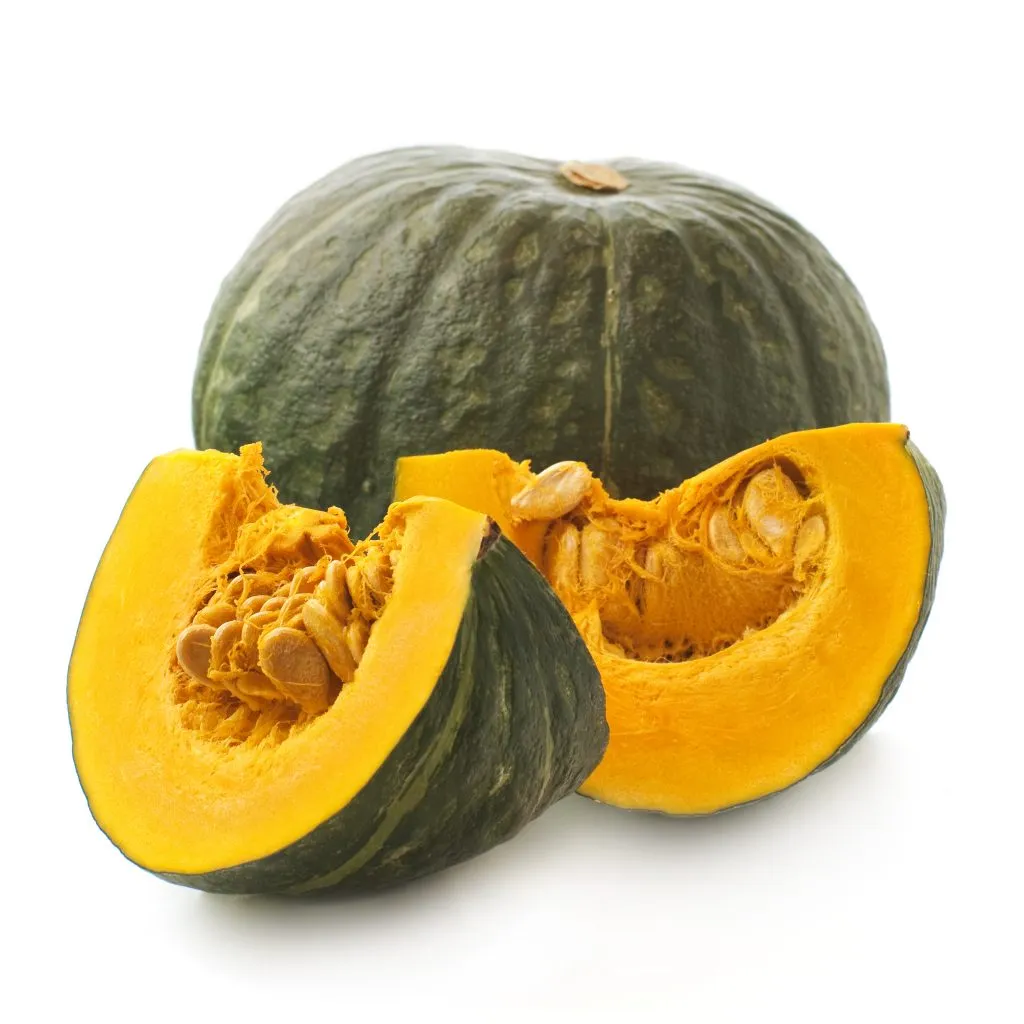
Pumpkin is versatile. You can make soup, curry, or even pie. It contributes to your vitamin d rich foods intake and is also high in Vitamin A for your eyes.
17. Broccoli
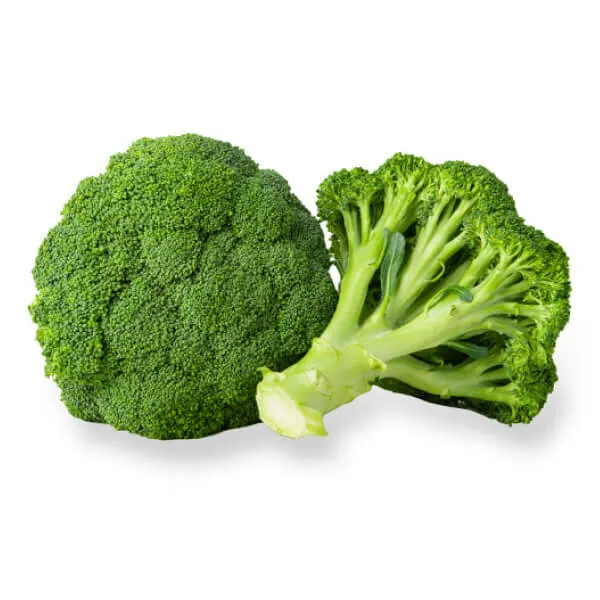
This crunchy veggie is a nutrient density champion. Steamed broccoli retains most of its nutrients and is a good way to get a mix of vitamins, including D.
18. Okra (Bhindi)
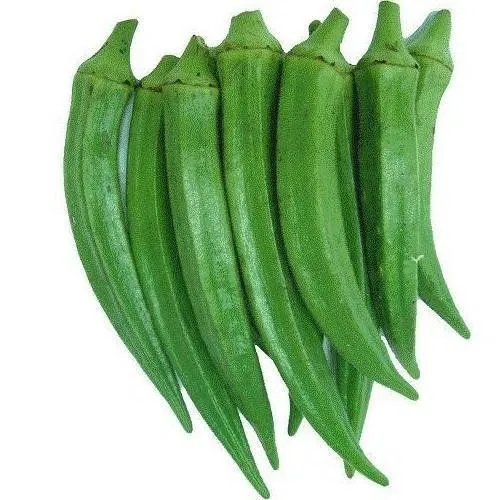
Bhindi is a beloved vegetable in many cultures. It is slimy texture is actually good for your gut, and it packs a punch with various vitamins, helping you meet your daily goals.
19. Drumsticks (Moringa)
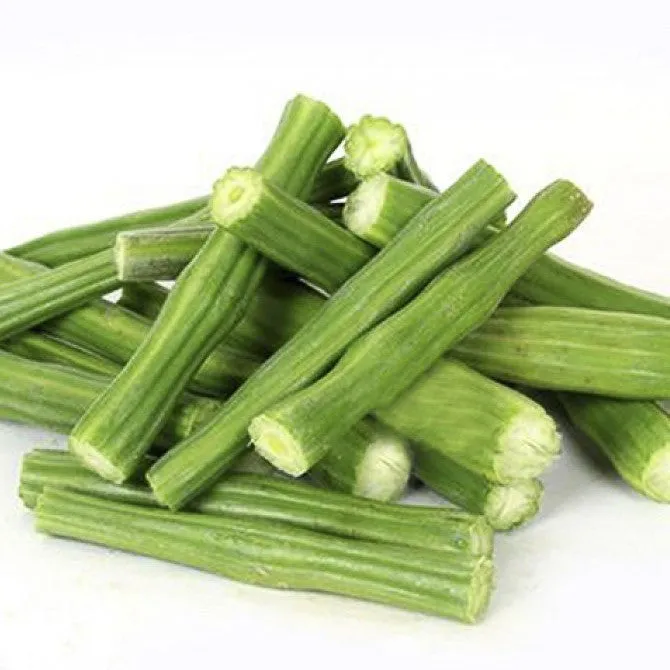
Moringa is often called a superfood. The pods (drumsticks) and leaves are incredibly rich in calcium and vitamins. Adding them to Sambar or soups is an excellent way to boost bone health.
20. Green Peas (Matar)
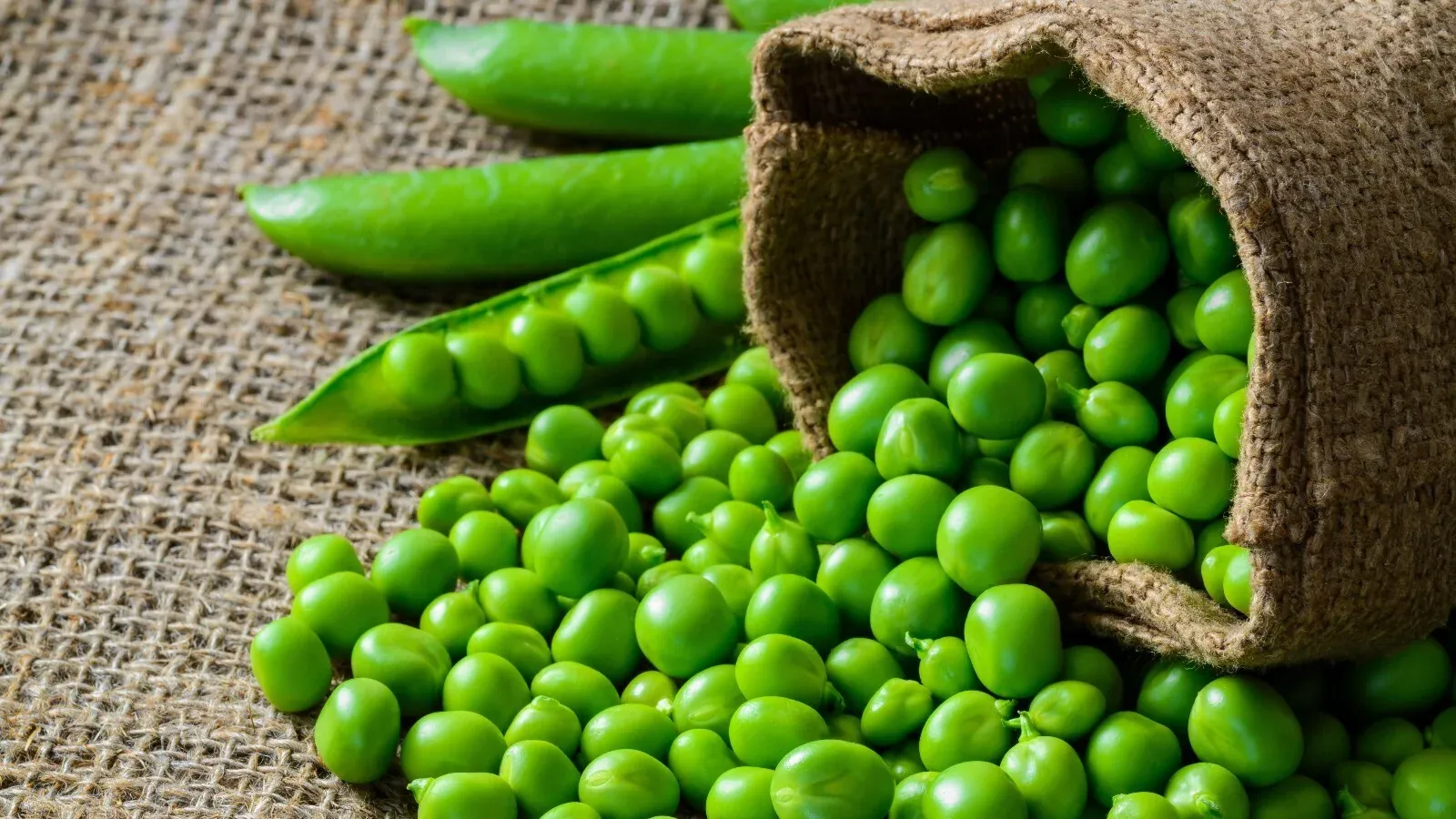
Fresh green peas are sweet and tasty. They are a decent source of vitamin d vegetables and can be added to almost any dish, from rice to curries.
21. Ridge Gourd (Turai)
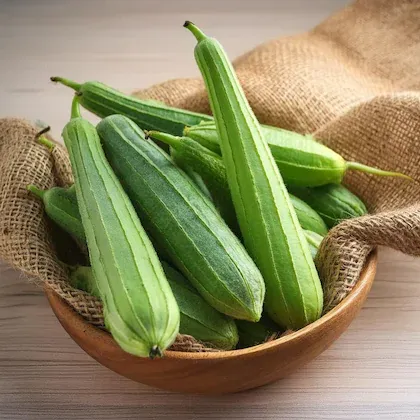
Similar to bottle gourd, Turai is hydrating and light. It contains modest amounts of Vitamin D and supports liver health.
22. Amaranth Leaves (Chaulai)
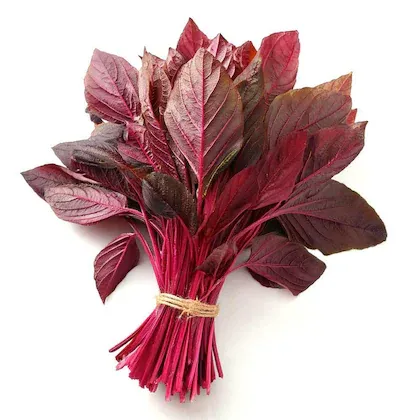
Leafy greens are always a good idea. Chaulai is specifically high in nutrients and is a fantastic local source of vitamins for those wanting to improve their levels naturally.
23. Kale
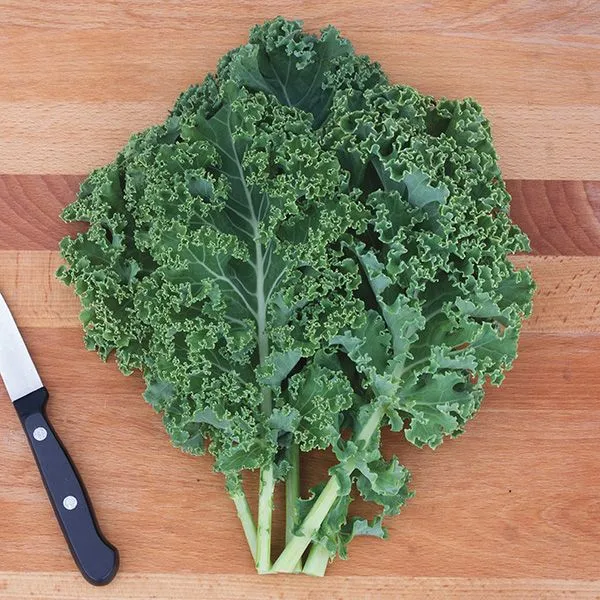
Kale has gained popularity for a reason. It is nutrient-dense and provides a good amount of Vitamin D along with iron and calcium. You can bake them into chips for a healthy snack.
24. Fenugreek Leaves (Methi)
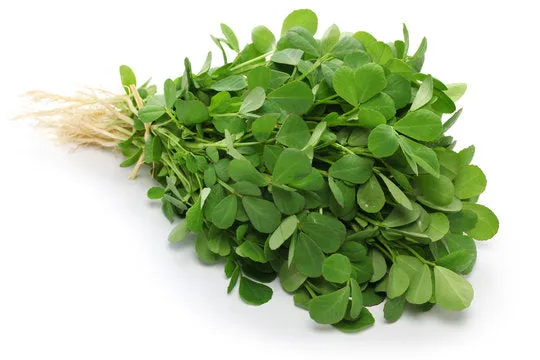
Methi is a staple in winter. Whether you make parathas or curry, these leaves are excellent for health, providing a distinctive flavor and essential nutrients.
25. Cauliflower
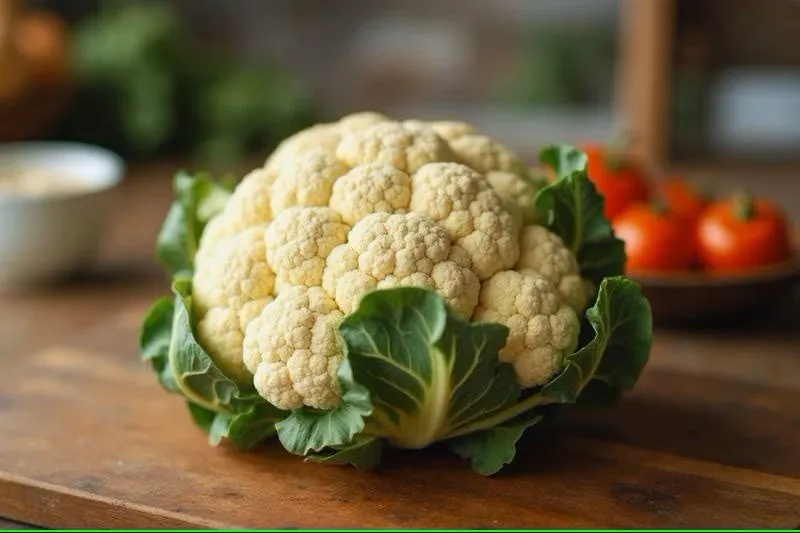
This cruciferous vegetable is very adaptable. You can make cauliflower rice or roast it. It contains Vitamin D and is great for people looking to cut down on simple carbs.
Health Benefits of Vitamin D
Including these vitamin d foods in your diet does more than just fix a number on a lab report. Here is how it helps:
- Stronger Teeth: It helps mineralize teeth, keeping them strong.
- Fall Prevention: For older adults, good muscle function means fewer falls and fractures.
- Diabetes Management: Some research suggests it protects against Type 2 diabetes.
- Better Lungs: It may help manage asthma symptoms and reduce respiratory infections.
How Much Do You Need?
The amount of Vitamin D you need changes as you age. Here are the general guidelines:
- Infants (0-12 months): 10 mcg (400 IU)
- Children & Adults (1-70 years): 15 mcg (600 IU)
- Seniors (71+ years): 20 mcg (800 IU)
According to the National Institutes of Health (NIH), the RDA for adults is 600-800 IU per day.
Note: Since natural plant-based options are limited, many experts recommend focusing on fortified Vitamin D foods. This includes fortified milk, soy products, and specific orange juices that are labeled 'fortified with Vitamin D'. This is often the most reliable way to consume Vitamin D3 as a vegetarian.
A Final Word on Your Diet
This comprehensive vitamin d vegetables and fruits list is designed to help you plan your meals to stay healthy year-round. Eating a mix of vitamin d vegetables and fruits is a fantastic foundation for a healthy life. While sunlight remains the king of Vitamin D sources, adding things like mushrooms, spinach, oranges, and papaya to your plate ensures your body has the support it needs to stay strong. Try to rotate these foods in your weekly meal plan so you don't get bored and you get a full range of nutrients. If you suspect your levels are very low, always chat with your doctor about whether supplements are right for you.
If you are experiencing severe fatigue or bone pain, it is advisable to book a Vitamin D screening test or consult our Orthopedic specialists at Nova Hospital Meerut for expert guidance.