How to Reduce Hair Fall in This Season: Expert-Backed Tips for Healthier Hair
Updated on: October 02, 2026 | Medically reviewed by: Dr. Bhanu Pratap Singh
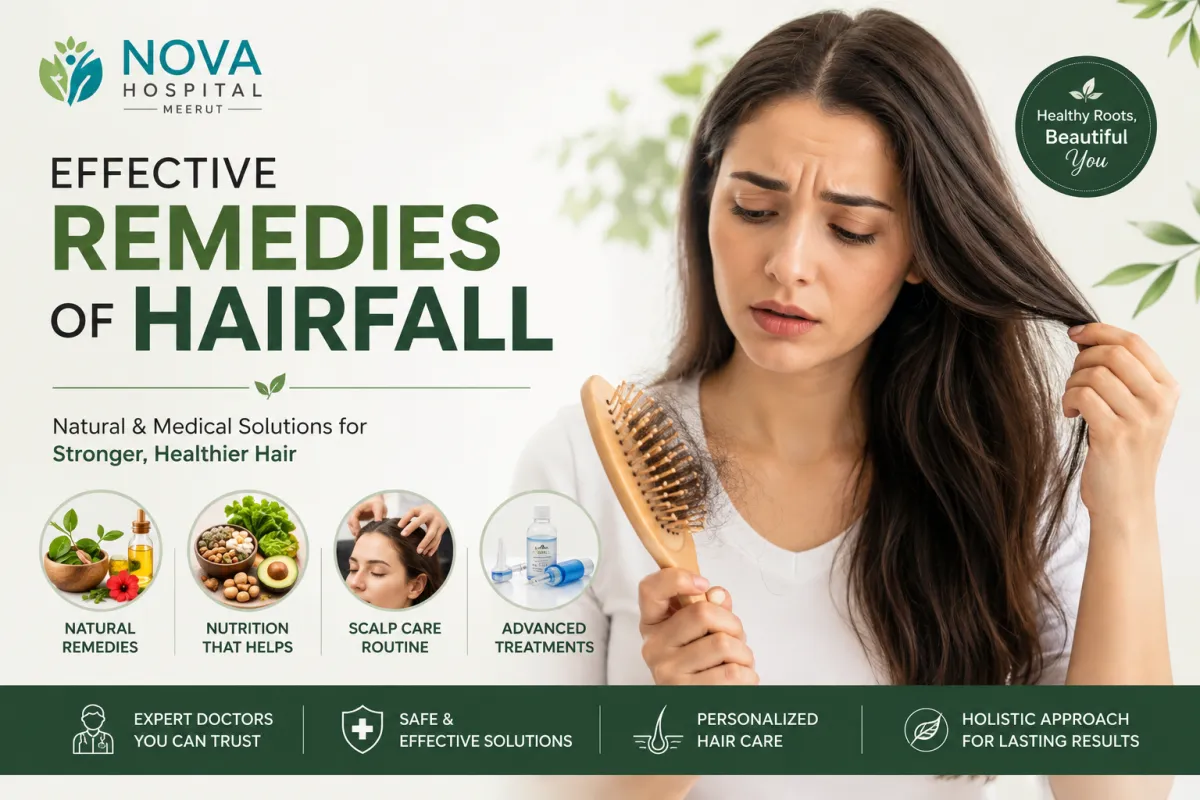
Hair fall can become more noticeable when the seasons change. Finding extra strands on your pillow, hairbrush or shower drain can be concerning, but some degree of daily shedding is normal. Hair naturally goes through cycles of growth, rest and shedding.
However, a sudden or persistent increase in hair fall may have other causes, including stress, illness, hormonal changes, nutritional deficiencies, restrictive diets or certain medical conditions.
The good news is that a healthy scalp, balanced diet and gentle hair-care routine can help protect your hair and reduce avoidable breakage and shedding.
Why Does Hair Fall Increase During Certain Seasons?
Hair shedding is influenced by the normal hair-growth cycle. In some people, changes in weather and seasonal routines may make hair shedding seem more noticeable. However, it is important not to assume that every episode of increased hair fall is simply "seasonal."
A condition called telogen effluvium can cause increased shedding several weeks or months after physical or emotional stress, fever, illness, major surgery, significant weight loss or hormonal changes.
This means the cause of today's hair fall may have occurred months earlier.
10 Ways to Reduce Hair Fall This Season
1. Eat a Balanced, Protein-Rich Diet
Hair growth requires adequate nutrition. Include good sources of protein such as eggs, dairy products, fish, lean meats, beans, lentils, soy and nuts, depending on your dietary preferences.
Avoid crash diets and extreme calorie restriction. Inadequate protein and rapid weight loss can contribute to excessive shedding.
A simple approach is to include a source of protein at each main meal along with vegetables, fruits and whole grains.
2. Don't Take Hair Supplements Without a Reason
Hair supplements are widely marketed for reducing hair fall, but taking vitamins or minerals without knowing whether you are deficient may not address the underlying problem.
If your hair fall is persistent, a healthcare professional can assess your symptoms and determine whether nutritional deficiencies or another medical issue may be contributing.
3. Be Gentle When Washing Your Hair
Regular hair washing is part of good scalp hygiene, but aggressive scrubbing can irritate the scalp and increase hair breakage.
Use a gentle shampoo appropriate for your scalp and avoid vigorously rubbing or scratching the scalp with your fingernails. Handle wet hair carefully because it can be more vulnerable to breakage.
4. Limit Excessive Heat Styling
Frequent use of straighteners, curling irons and high-heat blow-drying can damage the hair shaft and contribute to breakage.
Whenever possible:
- Use lower heat settings.
- Avoid prolonged heat on one section of hair.
- Allow hair to partially air-dry before blow-drying.
- Avoid repeated chemical treatments if your hair is already fragile.
Gentle hair care is particularly important when you are experiencing noticeable thinning or shedding.
5. Avoid Very Tight Hairstyles
Repeatedly pulling your hair into tight ponytails, buns, braids or extensions can place tension on hair follicles.
Over time, this may contribute to traction alopecia, a form of hair loss associated with prolonged pulling on the hair.
Choose looser hairstyles and avoid hairstyles that cause scalp pain or headaches.
6. Manage Stress and Prioritize Sleep
Stress can affect the hair-growth cycle. Significant physical or emotional stress may trigger telogen effluvium, resulting in increased shedding several weeks or months later.
Regular physical activity, relaxation techniques, adequate sleep and healthy routines can support overall wellbeing and may help reduce stress-related triggers.
7. Protect Your Scalp From Environmental Stress
Changes in temperature, humidity and exposure to sun or pollution can make hair feel dry or brittle.
Consider protecting your hair and scalp when spending extended periods outdoors. Avoid unnecessarily exposing your hair to harsh environmental conditions and keep your scalp clean and comfortable.
8. Treat Scalp Problems Early
Persistent itching, scaling, redness, pain or inflammation should not be dismissed as ordinary seasonal hair fall.
An unhealthy or inflamed scalp can affect hair quality and may require specific treatment. If you notice persistent scalp symptoms along with increased shedding, speak with a dermatologist.
9. Don't Brush or Comb Aggressively
Brushing too forcefully can cause unnecessary mechanical damage and breakage.
Use a suitable comb or brush, work through tangles gently and avoid repeatedly pulling through knots. If your hair is particularly fragile, take extra care when detangling it after washing.
10. Identify the Underlying Cause of Persistent Hair Fall
The most important step in managing hair fall is understanding why it is happening.
Hair loss can result from hereditary pattern hair loss, stress, hormonal changes, nutritional problems, illness, medications, autoimmune conditions and other causes. Treatment therefore depends on the type and cause of hair loss.
If shedding continues or your hair is visibly becoming thinner, a dermatologist can examine your scalp and recommend appropriate evaluation and treatment.