Epilepsy and Sleep
Updated on: September 24, 2026 | Medically reviewed by: Dr. Kashish Sharma
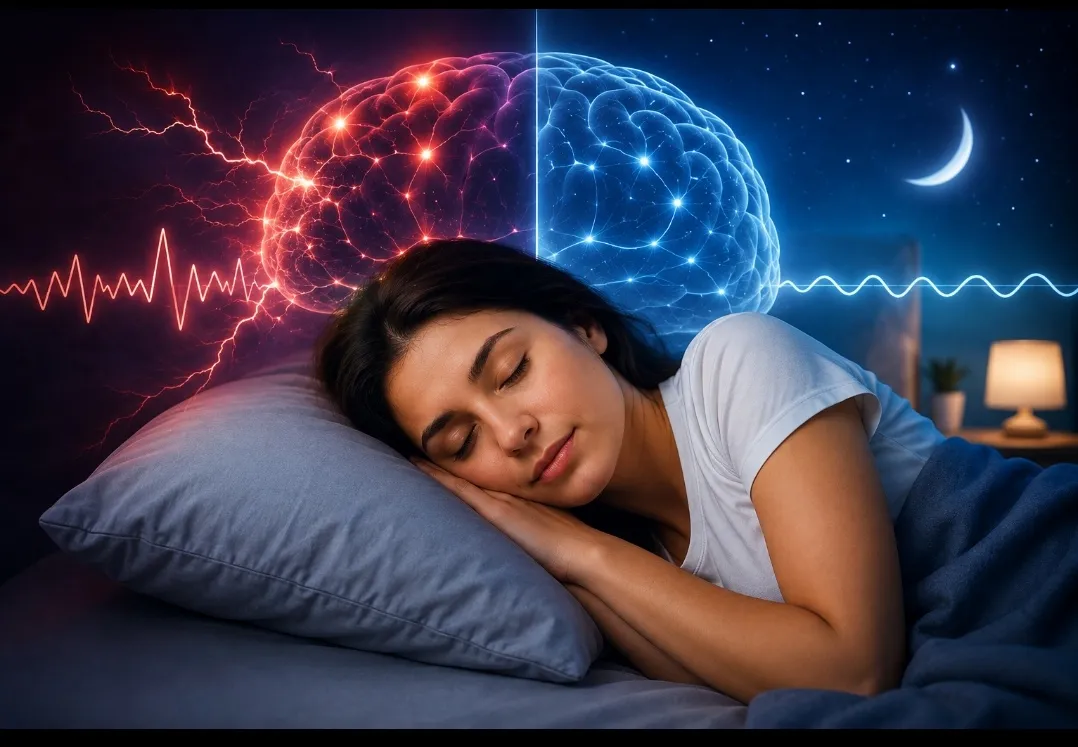
The relationship of Epilepsy and Sleep has been a topic of interest and research. Sleep instability can promote seizures. The knowledge of these intricacies would help manage patients better.
EFFECT OF EPILEPSY ON SLEEP
A lot of sleep architectural abnormalities have been reported in patients with epilepsy with disturbance especially in REM(Rapid Eye Movement) sleep. Excessive daytime sleepiness (EDS) occurs more commonly in patients with epilepsy. Whether it is in part due to the epileptic syndrome or an effect of AEDs (Antiepileptic Drugs). Primary sleep disorders like obstructive sleep apnea (OSA) also affect vigilance, sleep quality, and quality of life in people suffering from epilepsy.
EFFECT ON SLEEP ORGANIZATION
Seizures and antiepileptic drugs (AEDs) affect sleep macro architecture and cause excessive daytime sleepiness (EDS) in patients with epilepsy. Sleep in the epileptic brain is inherently unstable. Daytime seizures cause a decrease in REM sleep and prolonged sleep latency the night after the seizure and shorter mean sleep latency on the multiple sleep latency test (MSLT) the following day.
EFFECT AND FREQUENCY OF SLEEP DISORDER SYMPTOMS IN EPILEPSY
Poor sleep is reported among 37% of patients who have epilepsy.
EFFECT OF EPILEPSY SURGERY AND VAGAL NERVE STIMULATION ON SLEEP
The vagus nerve stimulator is used for treatment of refractory seizures. As projections from the vagus nerve undoubtedly stimulate brainstem structures, some of which are related to sleep and alertness, it is possible that this device has independent effects on sleep and wakefulness.
EFFECT OF SLEEP ON EPILEPSY AND EPILEPTIC DISCHARGES
Two patterns of sleep related epilepsy patterns emerged from studies
1) Patients who had nocturnal seizures had peak seizure occurrence within the first 2 hours of sleep and 1 hour before awakening,
2) Diurnal Seizure patients had a peak shortly after awakening, a mid afternoon increase and a peak in the evening
EFFECT OF SLEEP DEPRIVATION
Sleep deprivation has long been recognized as a seizure precipitant, reported by 25% of patients who have epilepsy.
The brain uses sleep to reset and balance normal electrical signaling; missing rest leaves neurons overexcited and prone to misfiring.
TIPS FOR BETTER SLEEP WITH EPILEPSY
Maintaining good sleep hygiene can be an important part of epilepsy management:
1) Maintain a consistent sleep and wake time
2) Aim for adequate sleep every night
3) Avoid excessive caffeine, especially later in the day.
4) Limit screen exposure before bedtime
5) Create a calm, comfortable sleeping environment
6) Take prescribed anti-seizure medication regularly
7) Discuss persistent snoring, excessive daytime sleepiness or disturbed sleep with doctor
8) Never stop or change anti-seizure medication without medical advice.
If seizures frequently occur during sleep, or if sleep problems are persistent, a neurologist may recommend further evaluation, sometimes including EEG or sleep studies, depending on the symptoms.
Better sleep can be an important part of living well with epilepsy. If you or someone you know has epilepsy with unexplained sleep disturbances or nighttime seizures, medical evaluation can help identify the cause and guide appropriate treatment.